
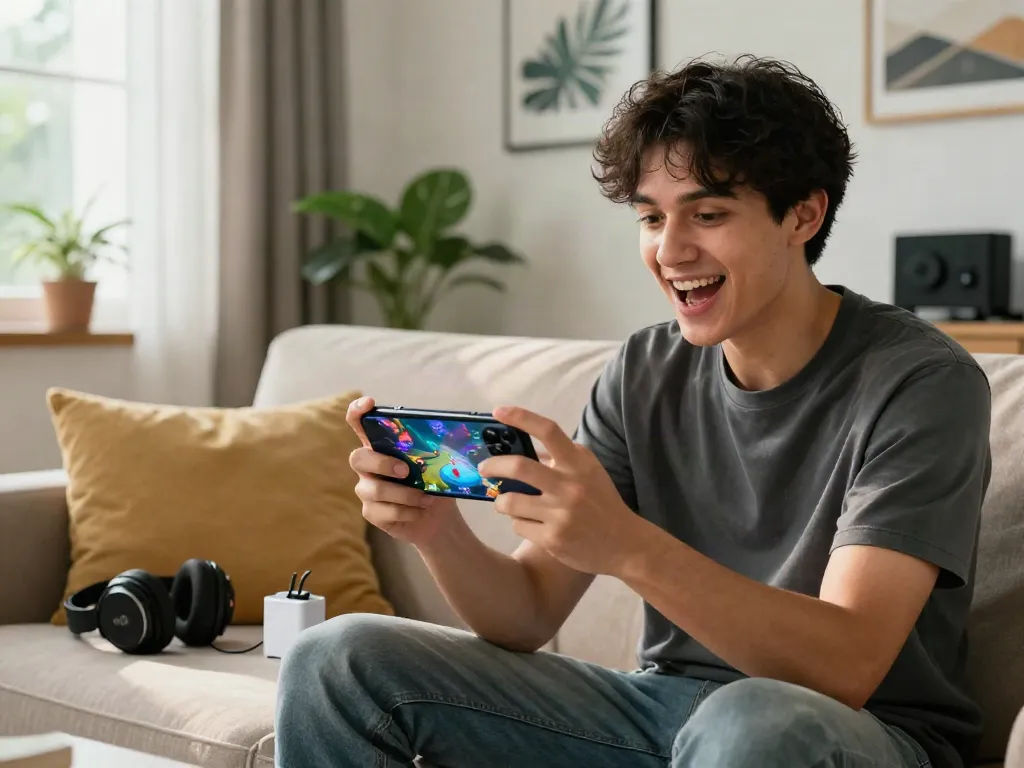
Understanding Mobile Gaming Trends for 2026
The mobile gaming landscape is evolving at an unprecedented pace, driven by technological advancements and changing player preferences. As we approach 2026, it's crucial for developers, marketers, and players alike to understand the emerging trends and dynamics of this bustling industry. With mobile gaming projected to continue its growth trajectory, understanding current market dynamics and user demographics will serve as the foundation for success. For those seeking in-depth insights, http://11bet-app.net/ offers valuable resources to enhance your understanding.
Current Market Landscape and User Demographics
The mobile gaming market is anticipated to reach a staggering $200 billion by 2026, with millions of players across various demographics engaging in diverse gaming experiences. Key demographics show that millennials and Gen Z make up a significant portion of mobile gamers, often seeking interactive and immersive experiences. Notably, these groups are inclined towards social gaming options, emphasizing the need for developers to consider user interaction and community building in their designs.
The rise of casual gaming has also led to the growth of hyper-casual games, which are easier to pick up and play, appealing to a broader audience, including those who had previously avoided gaming. Additionally, mobile gaming platforms are seeing increased penetration in emerging markets, where mobile devices are often the primary means of internet access, making these regions ripe for new opportunities.
Impact of Emerging Technologies on Gameplay
Emerging technologies are reshaping the mobile gaming experience. Innovations such as augmented reality (AR) and virtual reality (VR) are allowing developers to create more engaging and interactive gaming environments. AR games like Pokémon GO have set a precedent, blending real-world exploration with virtual gameplay, a trend that is likely to continue growing.
Moreover, advancements in artificial intelligence (AI) are enabling smarter NPCs (non-playable characters) and personalized gaming experiences. Machine learning algorithms can analyze player behavior and customize challenges accordingly, enhancing user satisfaction and retention.
Top Genres Dominating Mobile Gaming This Year
As we dive deeper into 2026, certain game genres are emerging as clear favorites among players. Action games, particularly battle royale formats, continue to captivate audiences, while puzzle games remain a staple due to their accessibility and engaging gameplay. Role-playing games (RPGs) are also gaining traction, thanks to their elaborately crafted narratives and character development.
Additionally, multiplayer online battle arenas (MOBAs) are flourishing, especially with new titles launching that incorporate social gaming elements. This interconnectedness not only enhances gameplay but builds community among players, a critical factor for long-term engagement.
Optimizing Your Mobile Gaming Experience
To truly enjoy the evolving landscape of mobile gaming, players must equip themselves with the right tools and knowledge to optimize their gaming experience. Understanding hardware requirements is a crucial first step.
Essential Hardware Requirements for Enthusiasts
For a seamless gaming experience, players should invest in devices that meet the demands of modern games. High-performance smartphones with robust processors, ample RAM, and high refresh rate displays will significantly enhance gameplay. Look for devices that support the latest graphics technologies to stay ahead in competitive gaming scenarios.
Best Practices for Game Installation and Management
Efficient game installation and management play a vital role in ensuring an uninterrupted gaming experience. Players should regularly update their games and manage storage effectively to avoid lag. Utilizing cloud gaming services can also help minimize hardware strain, allowing access to high-quality games without the need for extensive local storage.
Enhancing Performance with Software Tools
In addition to hardware optimizations, players can employ several software tools to enhance their gaming experience. Performance boosters and game optimizers can help reduce lag and improve frame rates. Furthermore, using VPNs designed for gaming can lead to lower latency and better connection stability, particularly in competitive settings.
Engagement Strategies for Mobile Game Developers
For developers looking to make their mark in the competitive landscape of mobile gaming, understanding user engagement strategies is vital. A user-centric approach can yield significant benefits, fostering loyalty and attracting new players.
Creating Compelling In-Game Content
Engaging content is fundamental to retaining players. Developers should focus on creating narrative-rich experiences, integrating well-designed tutorials, and offering unique challenges that keep players coming back. Seasonal events and updates can also breathe new life into games, encouraging long-term engagement.
Leveraging User Feedback for Continuous Improvement
User feedback is a powerful tool for continuous improvement. Developers should focus on collecting and analyzing player feedback to refine gaming experiences. Utilizing beta testing phases allows developers to gather data on user experience before full-scale launches, providing critical insights into what players want.
Effective Marketing Tactics for New Releases
Marketing strategies must evolve along with the gaming landscape. Social media marketing, influencer partnerships, and engaging trailers can create buzz around new releases. Additionally, gamified marketing tactics—such as promotional in-game events—can significantly increase user interest and downloads.
Monetization Models in Mobile Gaming
The monetization strategies employed by mobile games are as diverse as the genres available. Developers must select the right model to align with their target audience's expectations and preferences.
Understanding Free-to-Play vs. Premium Strategies
The debate between free-to-play (F2P) and premium game models continues to be a hot topic. F2P games usually offer a lower barrier to entry, increasing player numbers but may rely heavily on in-app purchases. Conversely, premium games offer a one-time purchase model, which can ensure higher initial revenue but limits the player base. Developers must weigh the pros and cons to choose a model that best fits their game design and audience.
Utilizing In-App Purchases Effectively
In-app purchases have become a standard monetization strategy, allowing developers to offer free content while generating revenue through optional purchases. Creating value in in-app purchases while ensuring they don’t disrupt the gameplay experience is crucial. Players should feel that purchases enhance their experience rather than dictate it.
Advertising Opportunities Within Mobile Games
Incorporating ads into mobile games can provide a steady revenue stream, but developers must strategically place them to avoid disrupting player experience. Rewarded video ads, which offer players incentives for viewing ads, have proven to be an effective balance between monetization and user satisfaction.
Future Predictions for Mobile Gaming
As the mobile gaming industry continues to evolve, several trends are expected to shape its future. Developers and players alike need to stay informed about these trends to navigate the changing landscape successfully.
Trends Shaping Gaming for the Next Five Years
The rise of cloud gaming platforms is set to change how games are played. By offloading processing to the cloud, players can access high-quality gaming experiences on lower-end devices, democratizing access to advanced gameplay. Additionally, the integration of blockchain technology for secure transactions and unique in-game assets is likely to gain traction.
Potential Challenges Facing Mobile Game Developers
Despite the promising growth, developers will face challenges such as increased competition and the need for constant innovation. Balancing monetization strategies while keeping user engagement high will also prove crucial as players become more discerning about what they spend their money on.
Importance of Community Engagement and Support
Building a strong, loyal community is paramount for the success of mobile games. Encouraging community interaction through forums, social media, and in-game events fosters a sense of belonging among players, which can translate into higher retention rates.
What Is the Future of Game Streaming?
Game streaming presents an exciting frontier for mobile gaming. Platforms that enable players to stream gameplay can enhance accessibility and participation, making games available to a broader audience without significant hardware investment. As technology advances, we can expect more robust solutions that support high-quality streaming experiences.